

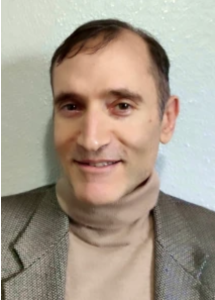
How to Question Religion Without Throwing It Away with Joshua Pritikin
Margaret and Joshua touch on the danger of inherited beliefs, the vital role of questioning, and why open inquiry matters now more than ever. Joshua offers a hopeful vision: that religious experiences can inspire empathy, compassion, and a deeper sense of connection to all beings.
The Open Heart: Considering Metta and Karuna
Along the way, she introduces compassion as “metta with its sleeves rolled up,” explores the transformative Tibetan practice of Tonglen, and touches on modern scientific research showing that these ancient practices genuinely rewire the brain and build emotional resilience.

When Losses Pile Up: Navigating a Cascade of Deaths
Drawing on the Buddhist teachings that became her lifeline, Margaret explores how the Four Noble Truths and the Noble Eightfold Path can serve as a steady foundation when grief threatens to overwhelm. She reflects on the cultural pressure to “be fine” after three days of bereavement, the comfort of faith, and the unexpected grace of the people who show up when we need them most.
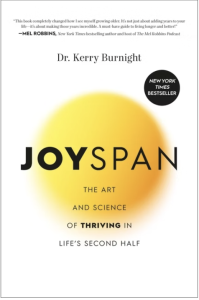
The Hidden Benefits of Aging: What Gets Better with Time
This episode is a heartfelt reminder that aging is not a decline but a unique opportunity for growth, connection, and legacy. Tune in to discover how to reframe your mindset and embrace the beauty of your journey through life’s second half.
Holding On, Pushing Away: The Hidden Causes of Suffering
We strive for better jobs or fancier cars or larger homes. We cling to what we have. We try to avoid what we view as unpleasant. We do not want to be sick or experience anything unpleasant. This is what creates dukkha. Ah, now that made sense. Like others, I did spend time and energy in my life wanting to move to “the next level,” and trying to avoid discomfort.
Half of Us Have Felt It: Spiritual Awakening and the Women Who Wrote It Down
You’ll meet three extraordinary women who became fully awakened. Their voices are still here. And they have something to say to anyone who has ever felt something crack open inside them.